Call me: 803-485-1221
Columbia Raccoon Removal is a full-service wildlife control company specializing in the humane trapping and removal of raccoons and other wild animals in Columbia, SC. Whether you have a problem with raccoons in your attic, under your house, tipping over garbage cans, digging up the yard, stealing pet food, pooping in your pool, or any other raccoon mischief we can solve it! The key to our wildlife control lies in our trapping expertise, and ability to employ the correct strategy for your specific wildlife problem. If you have raccoons in your attic for example, the key is in inspection of the attic and house, removal of the nest of baby raccoons, and the preventative work - we seal wild animals out of your house forever. We use humane trapping and relocation methods and we do not use poison! We answer our phone 24/7, and can schedule a same-day or next day appointment. Some of the services we offer include:
- Humane Raccoon Trapping and Relocation
- House, Roof, and Attic Inspections
- Preventative Wildlife Exclusion Repairs
- Raccoon Droppings Cleanup in Attic
- Removal of Baby Raccoons in Attic By Hand
- Poison-free Animal Removal and Prevention
- Porch, Deck, or Shed Exclusion Barriers
- Dead Raccoon Removal - Indoors and Out
CALL US ANY TIME AT 803-485-1221
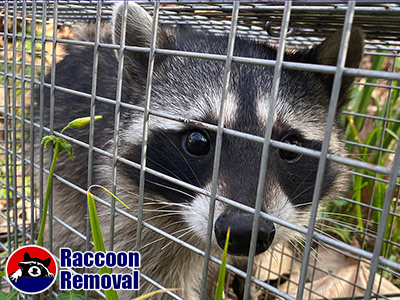 Columbia's Best Raccoon Control:
Most of the calls we receive are from homeowners who hear animals moving around in their attic or in the walls. It is rare for homeowners to actually see the animals or even notice any damage unless they go into the attic or take a close look at every nook and cranny of their house. Don't hesitate to call us if you hear animals scurrying, as wildlife can spread diseases to humans, such as histoplasmosis, leptospirosis, salmonella, and others. When we trap and remove critters like opossums or raccoons, we release them ten or more miles from the capture site to discourage them from returning. We always take a humane approach with wildlife control. This includes never using poisons and opting for live cage traps. It also means relying on prevention and exclusions whenever we can. Our company is fully licensed and insured, something we supplement with our commercial liability insurance that protects your property. When critters cause damage to your property, we can take care of it for you, from repairing torn ducts to fixing chewed electric wires. We are not exterminators nor your typical pest control company. In fact, we are not a pest control company at all. Instead, we are a wildlife removal company that is dedicated to handling mammals and reptiles.
Columbia's Best Raccoon Control:
Most of the calls we receive are from homeowners who hear animals moving around in their attic or in the walls. It is rare for homeowners to actually see the animals or even notice any damage unless they go into the attic or take a close look at every nook and cranny of their house. Don't hesitate to call us if you hear animals scurrying, as wildlife can spread diseases to humans, such as histoplasmosis, leptospirosis, salmonella, and others. When we trap and remove critters like opossums or raccoons, we release them ten or more miles from the capture site to discourage them from returning. We always take a humane approach with wildlife control. This includes never using poisons and opting for live cage traps. It also means relying on prevention and exclusions whenever we can. Our company is fully licensed and insured, something we supplement with our commercial liability insurance that protects your property. When critters cause damage to your property, we can take care of it for you, from repairing torn ducts to fixing chewed electric wires. We are not exterminators nor your typical pest control company. In fact, we are not a pest control company at all. Instead, we are a wildlife removal company that is dedicated to handling mammals and reptiles.
What Prices Do We Charge?
Learn About Costs and Our Wildlife Control Prices
.jpg)
We are South Carolina's top experts in wildlife and raccoon control. We are not a typical Columbia raccoon control or pest control company. We don't treat wild animals like insects, because they are not! You can't just use poison to get rid of them. You also can't just set a few traps on the ground and call it good. Each situation is unique. And remember, if you have raccoons living in your house, it is almost certainly a female with a litter of young inside. These juveniles must be removed by hand, or they will starve to death and die. And after they are gone, the entry holes into the house must be sealed with professional repairs. Unlike most Columbia pest control, we focus on complete and permanent solutions, by following these steps:
- Inspect the entire house, ground to roof, and the attic
- Seal shut all entry areas with professional grade steel
- If in attic, we remove the baby raccoons by hand
- Technical and human raccoon trapping appropriate to situation
- When necessary, we clean raccoon droppings and replace insulation
Columbia Raccoon Control Tip: What Kind Of Food Can You Give A Baby Raccoon?
It is part of our human nature to care when we encounter an injured or orphaned animal, and when you find a baby raccoon, it is natural to want to try and help as much as possible. Along with providing shelter and care for the animal, many people will want to give the animal food, but baby raccoons actually have quite specific dietary needs, because they are designed to thrive on their mother's milk. If you do find a baby raccoon that has been orphaned, it is important to take the right actions to give it the best chance of survival.
The First Steps You Should Take If You Find A Baby Raccoon
Firstly, you should always look around for any signs of the baby's mother before you remove the animal, and stay back for a good period, in case the female comes to recover her baby, unless you can see obvious signs that the mother has died. Once you are sure this isn't the case, make sure you wear protective clothing, and move the baby raccoon gently into a box lined with a soft blanket or towel in which you can transport the animal. You should then contact a wildlife rehabilitator immediately to try and get the raccoon the most appropriate help.
Common Foods Around The Home
One of the biggest mistakes that many people will make when they find baby raccoons or other orphaned animals is to try and feed them cow's milk, but this really isn't suitable for them and can actually be very harmful when ingested. Others may try baby formula or other foods found around the home, but because the needs of the baby raccoon are very specialized, most of the foods around the home should be avoided.
.jpg) Specialist Kitten And Puppy Milk
Specialist Kitten And Puppy MilkFor those people who already keep and breed pets, then you may have a puppy milk formula such as Esbilac or kitten milk formula, and in a bind where you cannot find a rehabilitator immediately, these can be used to feed a baby raccoon temporarily. The rehabilitator should be able to offer guidance on how to prepare this to the right temperature and consistency, so that it can help keep the baby raccoons alive until they get to the specialist care of the rehabber.
Can You Give Baby Raccoons Water?
One of the biggest concerns for a baby raccoon that has been orphaned by its mother is the threat of dehydration, as this can often kill baby animals before they actually die of hunger from not getting their mother's milk. While you may not have the specialist food available that a baby raccoon might need, in many cases one way in which you can help is by giving the baby raccoon water. You should avoid cold water as this can cause harm to the animal, but lukewarm water heated to body temperature should be safe to give to the baby raccoon, to help them avoid dehydration.
The Importance Of Taking The Animal To A Wildlife Rehabilitator
Ultimately, the vast majority of people will not have the expertise to be able to help an orphaned raccoon, so the wildlife rehabilitator with their knowledge and skills will be best suited to be able to help the baby raccoons to survive. When you have contacted a rehabber and are planning to transport the animal, where possible, transport them on the back of a truck, but if you do plan to take them in a car, make sure the box is propped in place so it doesn't move too much, and make sure the car is well ventilated too.
We service nearby towns such as Albuquerque, Los Ranchos de Albuquerque, Tijeras, South Valley, Sandia Park, North Valley, Cedar Crest, Carnuel, Sedillo, Chilili, Pajarito Mesa, San Antonito, Cedro